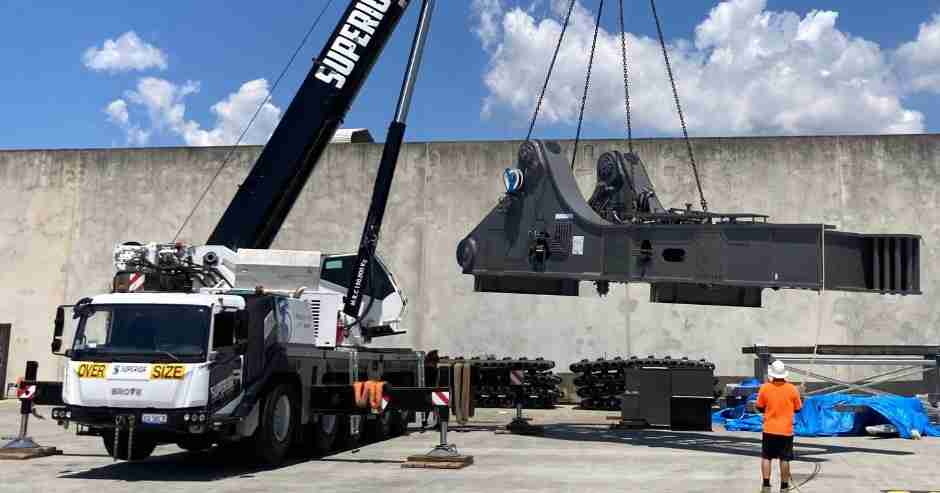
When it comes to crane operations, safety is not just a guideline – it’s crucial. With the immense power and precision involved in lifting and moving heavy loads, even the slightest oversight can lead to catastrophic consequences. Understanding and implementing stringent safety measures is crucial for the wellbeing of everything and everyone on the job site.
Understanding the risks
Crane operations are inherently risky due to the weight and size of the loads being lifted. The risks include, but are not limited to:
- A load falling, due to being incorrectly secured or exceeding the crane’s lifting capacity.
- Improper setup or overloading can cause the crane to tip over.
- Cranes operating near power lines are at risk of coming into contact with live wires, which can lead to electrocution.
All of these incidents can result in massive destruction of property, severe injuries, and death.
Key safety measures in crane operations
1. Pre-operational inspections
Before any crane operation begins, a thorough inspection of the crane is mandatory. This includes checking the mechanical and structural integrity of the crane, ensuring that all controls are functioning correctly, and verifying that the crane is capable of lifting the intended load.
2. Qualified personnel
Only qualified and certified crane operators should be allowed to operate the machinery. Additionally, all personnel involved in the lifting operations, including riggers and signal persons, should be adequately trained and knowledgeable about safety protocols.
3. Proper load management
It’s essential to know the crane’s lifting capacity and never exceed it. Properly securing the load with the right rigging equipment and ensuring that the load is balanced before lifting are critical steps to prevent accidents.
4. Clear communication
Effective communication between the crane operator and ground personnel is vital. Using clear hand signals or two-way radios ensures that everyone is on the same page, minimising the risk of miscommunication and potential accidents.
5. Safe distance from power lines
Always maintain a safe distance from power lines. According to Australian standards, cranes should keep a minimum clearance of 3 metres from power lines carrying up to 132 kV.
6. Emergency preparedness
Having a plan in place for emergencies, such as crane malfunctions or accidents, can save lives. All personnel should be familiar with emergency procedures and know how to respond swiftly and effectively.
Why safety matters
Prioritising safety in crane operations not only protects the lives of workers but also ensures the smooth running of projects. Accidents can lead to costly delays, legal liabilities, and damage to equipment. By following the outlined safety measures, you contribute to a safer work environment and the successful completion of your project.
Choose a reliable crane hire service
For those seeking crane hire services, working with a reputable company that prioritises safety is essential. Superior Crane Hire in Brisbane is known for its commitment to safety and reliability. With a team of experienced professionals and a fleet of well-maintained cranes, they ensure that your lifting needs are met with the highest safety standards.
Templates for this job
Ready-to-edit Word and Excel templates for Queensland workplaces.